The Alewife Project
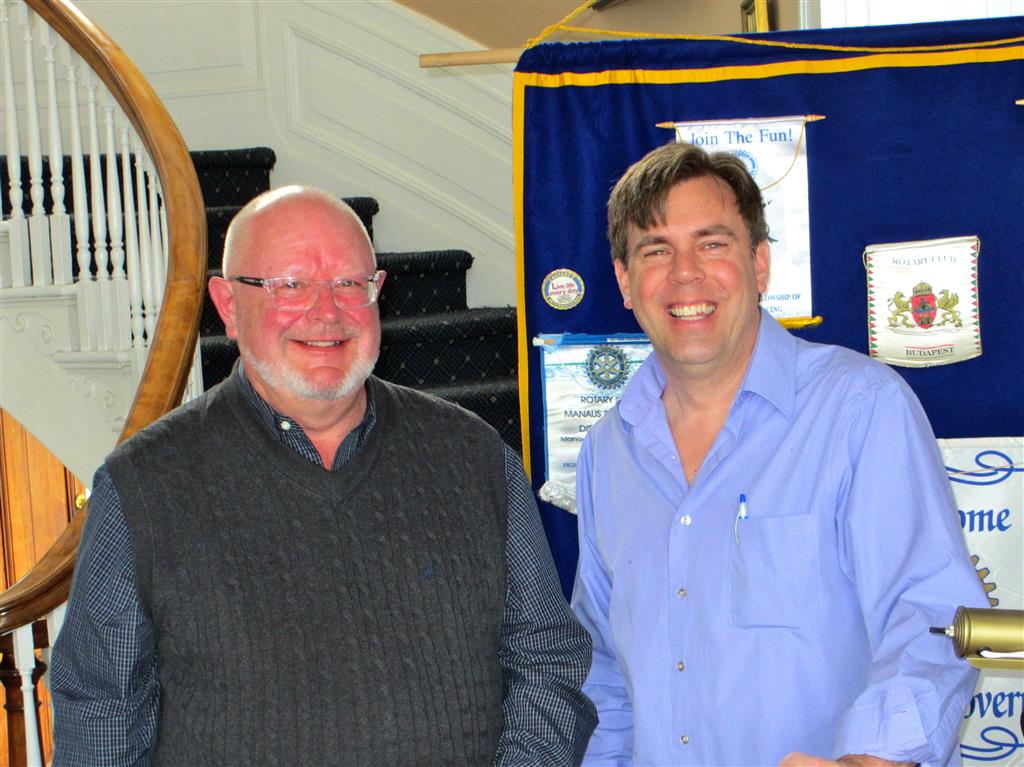
At our regular meeting on Wednesday, April 23rd, Michael Reilly, a Director of the Seatuck Environmental Association, gave a very enlightening talk on the current Alewife Survey, and on some of the other initiatives the organization has undertaken to conserve wildlife on Long Island.
He gave a brief history of the problem, explaining that several hundred years ago, there was probably not a waterway in eastern North America that did not support great runs of alewives. From Colonial times to the present, the biological riches of the Atlantic seaboard have been under assault through overfishing, the erection of dams without fish passage, residential and industrial pollution. It was only after WWII however, that the consequences of industrialization, the collateral harm to water, air, wildlife, and human health was fully realized and a framework to address them established, with the legal tools and funding to start restoration of lost or depleted marine fishery resources.
Unfortunately, despite more than forty years of effort, alewife populations from the Maritime Provinces and southern New England to the Carolinas remain severely depleted. Last year, a petition was filed by the Natural Resources Defense Council seeking listing of alewives as a threatened species under the federal Endangered Species Act. To make the list however, requires a great deal of data on alewife populations and migrations patterns.
Seatuck is working with partners across the region to improve access and restore local populations of these ecologically important fish. The Long Island Volunteer Alewife Survey is designed to find the tributaries where "remnant" runs of alewives still exist and determine how to help them. Participants survey local tributaries from mid-March through mid-May, visiting neighborhood rivers or streams looking for alewives or signs of their presence. Observations and information from the survey visits is then submitted through a simple on-line observer data form. More information is available from their website: www.seatuck.org.
Michael, who has been monitoring alewives on the Carll's River for the past seven years, described the project details, and apparent success, of the new fish ladder recently installed at Argyle Lake in Babylon Village. Planning is underway for a similar project at Southard’s Pond, allowinf the fish to migrate to Belmint Lake and beyond. Michael is shown above with Babylon Rotary President-Elect Mike Hack.